

glass changes from clear to frosted
The Right Angle Ruler An Essential Tool for Sewing Sewing is a beloved craft that combines art and practicality, allowing enthusiasts to create everything from clothing to home decor. Among the array of tools available to seamstresses, the right angle ruler, often overlooked, stands out as an essential implement that enhances precision and efficiency in sewing projects. Understanding the Right Angle Ruler The right angle ruler, also known as a right-angle triangle ruler or square ruler, features two arms that form a perfect 90-degree angle. This simple yet effective design is immensely useful in ensuring that measurements are accurate and that angles are sharp. Typically made from durable materials like plastic or metal, the right angle ruler is lightweight and easy to handle, making it a staple in any sewing toolkit. Importance of Precision in Sewing Precision is critical in sewing. Whether you’re cutting fabric, marking hemlines, or attaching seams, every measurement counts. A small error can result in an uneven hem, a misaligned seam, or, worse, the need to start a project over from scratch. The right angle ruler allows for precise measurements and straight lines, helping to eliminate guesswork and achieve professional-looking results. Versatile Applications The uses of the right angle ruler in sewing are vast. Here are several ways it can enhance your sewing projects 1. Cutting Patterns When laying out patterns on fabric, the right angle ruler helps ensure that your cuts are straight and accurately measured. By aligning the ruler with the pattern edges, you can easily create straight lines that follow the grain of the fabric. 2. Marking Hemlines Whether you're marking a hem on a garment or creating a quilt, the right angle ruler can help you achieve consistent and even hems. Simply measure the desired length from the edge and use the ruler to draw a straight line for cutting or sewing. 3. Creating Block Designs For quilters, the right angle ruler is invaluable when piecing together block designs. It helps in positioning blocks accurately and ensuring that corners align perfectly, which is crucial for quilt aesthetics. 4. Drafting If you're designing your own patterns, the right angle ruler makes drafting easier . It ensures that your angles are correct, which is particularly important for structured garments that require precision in shaping. right angle ruler for sewing 5. Checking Squareness When constructing larger projects, like quilts or garments, maintaining squareness is essential. The right angle ruler can be used to check corners and ensure everything is aligned correctly before moving on to the next step. Tips for Using a Right Angle Ruler 1. Choose the Right Material Depending on your project, opt for a lightweight plastic ruler for general use or a sturdier metal ruler for heavy-duty tasks. 2. Use a Cutting Mat When cutting fabric, place a cutting mat underneath to protect surfaces and improve accuracy. 3. Hold Firmly Always hold the ruler firmly in place when cutting to avoid slippage, which can result in uneven cuts. 4. Practice Alignment Take a moment to ensure that your ruler is aligned correctly with the fabric grain or pattern before marking or cutting. 5. Keep It Clean Regularly clean the ruler to ensure there is no residue that could transfer onto your fabric during use. The Right Angle Ruler in Action Imagine embarking on a new sewing project, perhaps a quilt for a loved one. You lay out your fabric, confident in the choices you've made for colors and patterns. As you begin to cut, the right angle ruler becomes your trusted companion. It helps you draft the perfect geometric shapes, ensures that your cuts are straight, and provides the foundation for crisp, clean lines. As you sew, the right angle ruler guides you with each seam and hem, watching over you to prevent any mistakes. When the project is complete, your quilt – even in its complexity – will lie flat and look immaculate, a testament to the power of using the right tools. Conclusion The right angle ruler is more than just a tool; it’s an ally in your sewing journey. Embracing this simple yet powerful instrument can elevate your skills and enhance the quality of your work. Whether you're a seasoned professional or a passionate beginner, the right angle ruler is a must-have in your sewing toolkit, ensuring that every project is a success.
about
glass changes from clear to frosted
Understanding the Gate Valve DN80 A Comprehensive Overview When it comes to fluid control in various industrial applications, the gate valve is one of the most popular types of valves used today. Specifically, the DN80 gate valve holds a significant position due to its size and versatility. DN, or Diameter Nominal, references the valve's nominal size in millimeters; thus, DN80 indicates a valve with a diameter of 80 millimeters. What Is a Gate Valve? A gate valve is primarily designed to allow or obstruct the flow of fluid. Unlike other valve types, such as globe valves or ball valves, gate valves are either fully open or fully closed. They are known for their exceptional sealing ability and minimal flow resistance when fully open. This feature makes them ideal for applications where a straight-line flow of fluid is necessary. Design and Construction The gate valve DN80 typically features a steel or cast iron body, with various internal components that can vary depending on the application. The internal mechanism consists of a gate or wedge that moves up and down, driven by a handwheel or actuator. When the handwheel is turned, the gate moves down into the flow path to close the valve or rises to open it. The design of the DN80 gate valve ensures durability and reliability. Many are equipped to handle high pressures and can withstand varying temperatures, making them suitable for both cold water services and hot applications, such as steam and oil transport. Applications of DN80 Gate Valves gate valve dn80 The DN80 gate valve finds application across a wide range of industries, including waterworks, wastewater treatment, oil and gas, and power generation. In water distribution systems, these valves help manage the flow of water between different sections of pipelines. In the oil and gas industry, they are used to control the flow of crude oil or natural gas in various processing stages. One of the key advantages of using a DN80 gate valve is its ability to provide a tight seal. This capability prevents fluid leakage, which is essential for safety and environmental concerns. Furthermore, when the valve is fully open, it presents minimal resistance to fluid flow, thereby preserving system efficiency. Maintenance and Operation Like any mechanical device, the DN80 gate valve requires routine maintenance to ensure longevity and optimal performance. Operators should regularly check for signs of wear, corrosion, or any leakage. It’s essential to exercise the valve periodically to prevent it from seizing or becoming stuck in the closed position. In terms of operation, the valve should always be opened and closed gradually to avoid sudden pressure fluctuations that could damage the valve seat or associated pipework. Conclusion In conclusion, the DN80 gate valve is an indispensable component in various industrial systems. Its robust design, reliability, and effective flow control make it a preferred choice among engineers and operators alike. Understanding the features and maintenance requirements of the DN80 gate valve is essential for anyone involved in fluid management, ensuring both efficient operation and safety in any industrial setting. Whether it’s controlling water flow or managing hydrocarbons, the DN80 gate valve stands out as a critical element in the engineering and operational toolkit.
-

High quality industrial productsagement

High quality industrial products
View Details -

Meet the diverse needs of customers

Meet the diverse needs of customers
View Details -

Strict quality control

Strict quality control
View Details -

Top raw materials

Top raw materials
View Details -

Trusted supplier

Trusted supplier
View Details
Our application


news and information
Welding Table Clamps for Enhanced Precision and Stability in Metalworking Projects
The Importance of Welding Table Clamps in Metal Fabrication Welding is a crucial process in the meta
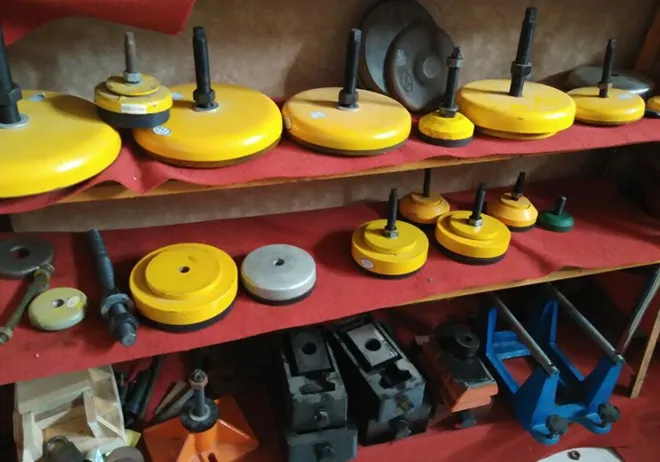
welding tables should be made of
The Importance of Welding Tables Material Considerations Welding is an essential process in various
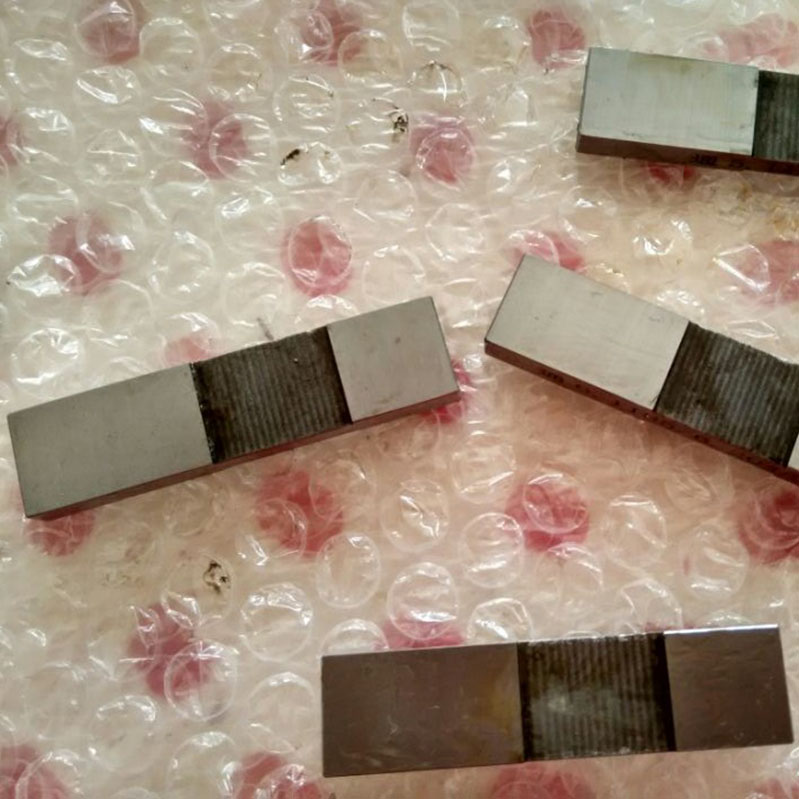
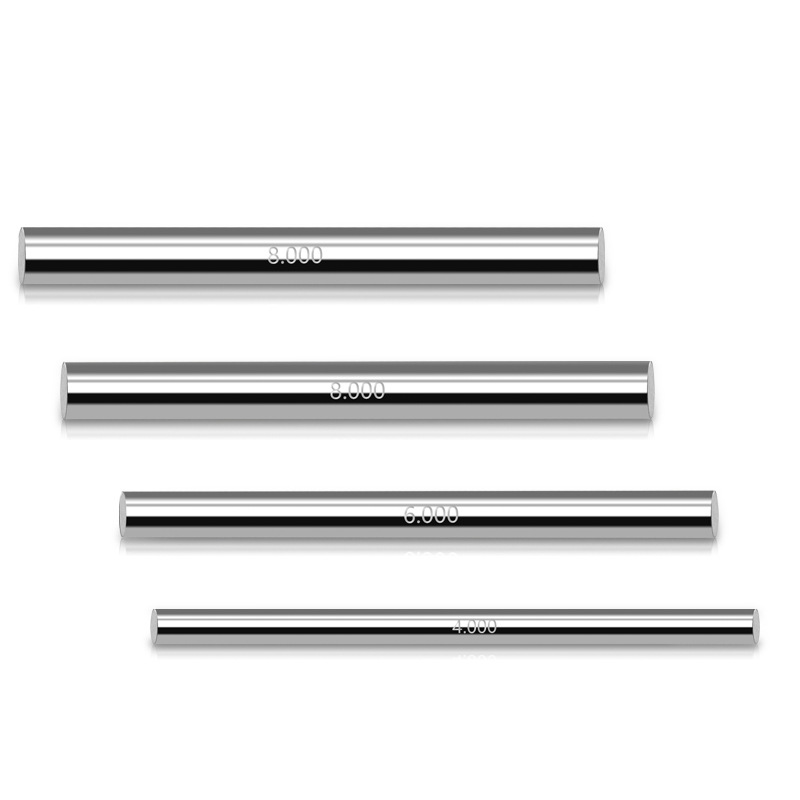
Using Ring Gauges for Accurate Measurement and Quality Control in Manufacturing
The Importance of Ring Gauges in Quality Control In the realm of manufacturing and quality control,
 English